India's Obesity Crisis: Tackling the 'Thrifty Gene' and Modern Lifestyles
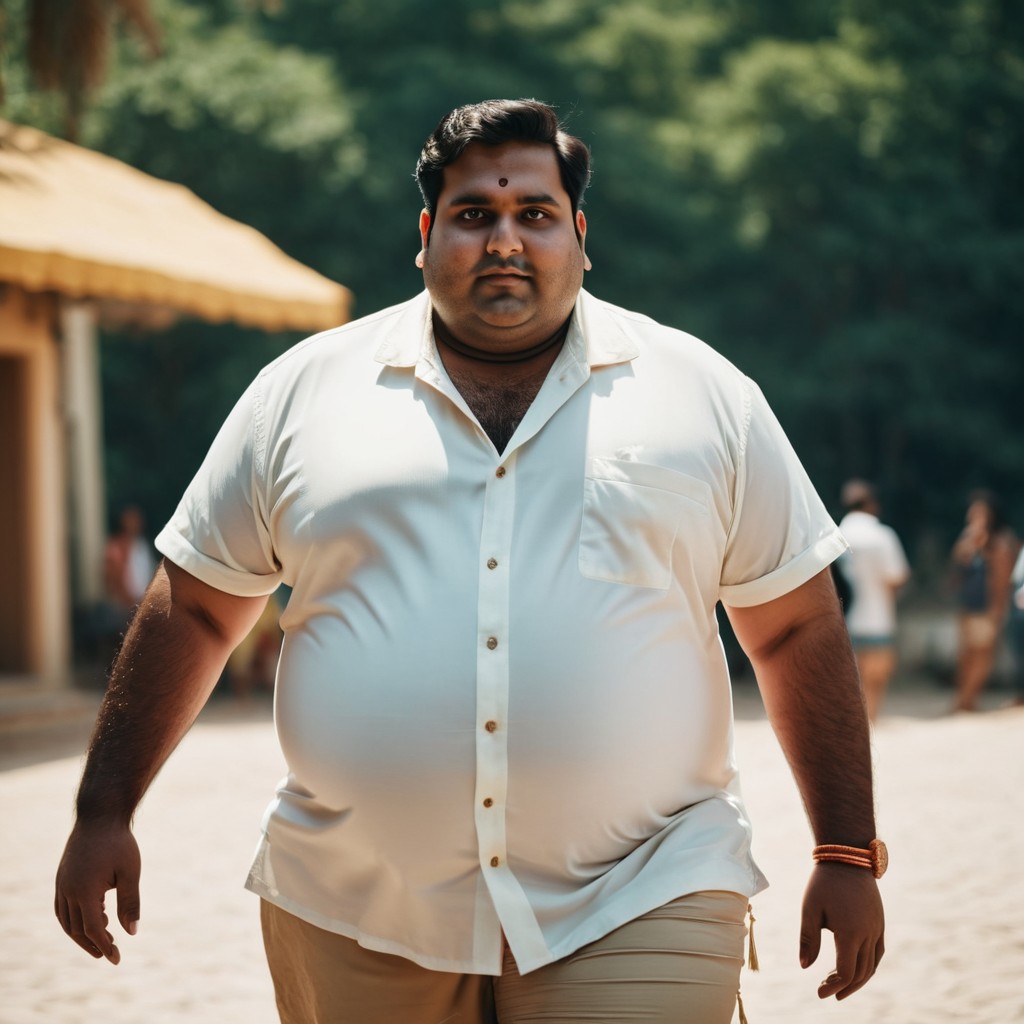
India is grappling with a silent epidemic: obesity. According to the National Family Health Survey (NFHS-5, 2019–2021), one in four Indians is obese, a sharp rise from previous decades. This surge is fueling a cascade of health issues—type 2 diabetes, hypertension, and heart disease—earning India the grim title of the "diabetes capital of the world." But what’s driving this crisis? A mix of genetic predisposition, modern lifestyles, and dietary shifts is to blame. Let’s unpack the causes and explore practical, Indian-context solutions to combat obesity.
The Role of the 'Thrifty Gene'
The thrifty gene hypothesis suggests that many Indians carry genetic traits that promote efficient fat storage, a survival advantage in times of scarcity but a liability in today’s world of abundance. Research from the Indian Council of Medical Research (ICMR) indicates that South Asians, including Indians, have a higher body fat percentage at lower BMI levels compared to other populations. This means even those who don’t appear "overweight" by global standards may face obesity-related risks like insulin resistance.
For example, a 30-year-old office worker in Mumbai, eating a typical diet of aloo paratha for breakfast, rice with dal for lunch, and fried pakoras as an evening snack, might not realize their body is storing excess fat due to this genetic predisposition. Combine this with minimal physical activity, and the stage is set for weight gain.
Modern Lifestyles: The Sedentary Trap
Urbanization has transformed how Indians live. The World Health Organization (WHO) notes that middle-class Indians average just 4,000 steps daily, far below the recommended 10,000. Desk jobs, long commutes, and screen time dominate urban life. In cities like Bengaluru or Delhi, where traffic-clogged roads and lack of pavements discourage walking, staying active is a challenge. A 2023 post on X lamented, “No safe parks, no sidewalks—how do we even start exercising in Indian cities?”
Food habits have also shifted. Traditional home-cooked meals like rajma-chawal or sabzi-roti are being replaced by convenient, calorie-dense options. Think packaged Maggi noodles, sugary chai from roadside stalls, or fast food like Domino’s pizza, which a NielsenIQ survey (2022) found is consumed weekly by 40% of urban Indian youth. These foods, high in refined carbs and unhealthy fats, pile on calories without providing satiety or nutrition.
The Health Fallout
The consequences are stark. The Lancet reported in 2021 that India has over 77 million diabetic adults, many linked to obesity. Hypertension and heart disease are also rising, with the Global Burden of Disease Study (2020) estimating that cardiovascular diseases cause 27% of deaths in India. Obesity doesn’t just affect physical health—it’s tied to mental health issues like stress and low self-esteem, as discussed in online forums like X, where users share struggles with body image in a culture that celebrates food-centric gatherings.
Practical Solutions for Indian Households
The good news? Small, sustainable changes can make a big difference. Here are some practical tips rooted in Indian lifestyles:
- Rebalance your plate: Traditional Indian foods are nutrient-rich but need portion control. Swap half your rice or roti for protein-packed options like moong dal or paneer. The EAT-Lancet Commission (2019) recommends increasing legumes and vegetables, which are affordable and widely available in India. For example, a bowl of kala chana salad with cucumber and tomatoes is filling, low-calorie, and costs less than ₹50 to prepare.
- Incorporate Millets: Millets like jowar, bajra, and ragi are making a comeback. A study by the National Institute of Nutrition (2021) found that millets have a lower glycemic index than white rice, helping manage blood sugar and weight. Try bajra roti or ragi porridge for breakfast instead of sugary cornflakes.
- Move More, Anywhere: You don’t need a gym. A 10-minute home workout—think surya namaskar or bodyweight exercises like squats—can burn 100–150 calories. Apps like HealthifyMe offer guided routines tailored for Indian users. If you’re in a city with limited space, try brisk walking in your apartment corridor or climbing stairs.
- Cut the sugar:Sugary chai and mithai are cultural staples but pack a caloric punch. Switch to unsweetened green tea or limit chai to one cup daily. For sweets, opt for natural alternatives like dates or jaggery-based ladoos in moderation.
- Plan ahead: Busy schedules lead to unhealthy choices. Prep meals like vegetable pulao or curd-based raita on weekends to avoid ordering takeout. A 2023 Mintel report noted that 60% of Indians are open to meal-prepping to eat healthier.
A Call to Action
India’s obesity crisis is a wake-up call, but it’s not insurmountable. By blending traditional wisdom—eating nutrient-dense foods like dal, curd, and millets—with modern habits like short workouts and portion control, we can turn the tide. Start small: replace one sugary drink with water, add a 10-minute walk to your day, or swap white rice for millets once a week. These steps, grounded in our culture and backed by science, can help us outsmart the thrifty gene and reclaim our health.
References:
- National Family Health Survey (NFHS-5), 2019-2021.
- Indian Council of Medical Research (ICMR), Genetic Studies on Obesity, 2020.
- World Health Organisation (WHO), Physical Activity Guidelines, 2020.
- The Lancet, Diabetes in India, 2021.
- Global Burden of Disease Study,2020.
- NielsenIQ Consumer Survey, Urban Food Trends, 2022.
- EAT-Lancet Commission,Healthy Diets From Sustainable Food Systems, 2019.
- National Institute of Nutrition, Millet Studies, 2021.
- Mintel Report, Indian Consumer Health Trends, 2023.